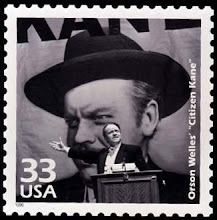
Picture: Moonlight
Actor: Viggo Mortensen, Captain Fantastic
Actress: Isabelle Huppert, Elle
Supporting Actor: Lucas Hedges, Manchester by the Sea
Supporting Actress: Viola Davis, Fences
Director: Barry Jenkins, Moonlight
Original Screenplay: The Lobster
Adapted Screenplay: Moonlight
Cinematography: Moonlight
Production Design: Hail Caesar!
Editing: Arrival
Costume Design: Jackie
Score: Jackie
Song: "How Far I'll Go", Moana
Sound Mixing: Rogue One
Sound Editing: Arrival
Visual Effects: Kubo and the Two Strings
Make-Up: Suicide Squad
Animated Feature: The Red Turtle
Animated Short: Blind Vaysha
Live Action Short: Timecode
Documentary Short: 4.1 Miles
Foreign Language Film: Toni Erdmann
Monday, February 20, 2017


Monday, February 6, 2017
For E, Four-Oh

Awash with mutual affection, we walked up Filmore St. and had dinner at Florio, where we talked and ate pasta off each other's plates. Then on the way back, she sang Thelonious Monk and Kurt Weill to me in that beautiful voice of hers. And when I said good night to her, looking in her eyes there on the corner of Eddy & Steiner, I knew I had never loved anyone so much as I did her.
And still do. If I could relive one hour of my life again over and over, forever, it would be that hour with her.
She turns 40 today, and this card is for Her.
Starting at the top, Georgia O'Keefe (Scott #4748e) is one of four stamps on this card that were part of the Modern Art in America issue--the others being Arthur Dove (#4748l), Marsden Hartley (#4748d), and Marcel Duchamp (#4748k). The first-day-of-issue postmark is for those stamps.
Moving on from there, the other stamps I featured are: Neysa McCain (#3502m), William M. Harnett (#1386), Folk Art tea caddy (#1776), Frida Kahlo (#3509), Love letter (#3551), Isamu Noguchi (#3859), Grandma Moses (#1370), Winslow Homer (#1207), John Sloan (#1433), Hawaii (#C84), Mary Cassatt (#1322), Fine Arts (#1259), guitar (#1613), Yosemite National Park (#740), Seattle (#1196), orchid (#2079), art glass (#3328), Edward Hopper (#3184n), and Louise Nevelson (#3383).
Monday, January 30, 2017
2016 Yearly Wrap

Parakeets, Scott #5124 - part of Pets issue

Shirley Temple, #5060

Sarah Vaughan, #5059 (w/Josh White #3215)

Mercury #5069 - part of The Planets issue

Everglades #5080l) - part of the National Park Service issue

Halloween Jack-o'-lantern #5140

Banana split #5095 - part of the Soda Fountain Favorites issue

Tulips #5049 - part of Botanical Art issue

Quilled Paper Heart, #5036

New Horizons probe #5078, part of the Pluto mini-sheet

Enterprise and planet #5134 - part of Star Trek issue

1953 Chevrolet #5102 - part of Pickup Truck issue (w/Hot Rod stamp #4909)

Wonder Woman (Bronze Age), #5150
Wednesday, January 25, 2017
I Only Have Four Eyes
-->


My friend Brian does the “I Only Have Two Eyes” series
annually on his blog (the title of which I’ve revised for my bespectacled self), about the best
of archival screenings in the Bay Area. And since 2016 was the first year in
ages that I actually logged every film I saw in a theater (final tally: 229 features & 256 shorts), it made compiling a
list of my own 10 indelible experiences much easier to do.
We’ll start with Dumbo (Sharpsteen, 1941) at the Paramount
in Oakland, on absolutely stunning 35mm.
Although the emcee called it original (which it couldn’t have been,
because that would have meant nitrate stock), it certainly was a crisply struck
print that had not seen much circulation.
Combine the divine “Pink Elephants on Parade” sequence with the most
gorgeous Art Deco palace in the Bay Area, and it was a great way to start the
year.
Also in January were some memorable titles at Noir City at
the Castro, and for me, the highlight was a first viewing of Mickey One (Penn,
1965), a glorious jazz-tinged fever dream of a film, with an assist from legend Stan Getz. Disjointed, bizarre, singularly
unique and punctuated by a live dance routine from burlesque goddess Evie
Lovelle.
Soon after, the PFA had an excellent Maurice Pialat series,
but I suspect that the power of his Under the Sun of Satan (1987) was magnified
by it being bookended (quite by coincidence) with two other contemporary films
I saw the same week that also explore religious faith, fanaticism and hypocrisy: Pablo
Larrain’s The Club and Avishai Sivan’s Tikkun.
In Pialat’s fantasy-fueled acid bath Passion Play, he posits the possibility that
religion may be the most oppressive to the truly devout. Overall, a provocative accidental trilogy.
Some fun Gothic films ran their course at the Yerba Buena
Arts Center that summer, and the highlight was my first time seeing The
Beguiled (1971) on the big screen.
Still Don Siegel’s best, Clint Eastwood plays a Yankee fox trying to
subvert and seduce a Dixie henhouse. The
thick hothouse atmosphere and sexual tension played beautifully through Siegel's
lighting and the insidious plotting and character power plays. Still a remarkable film (soon to be remade by
Sofia Coppola).
Though a relatively recent movie, I have to include the
Triplets of Belleville (Chomet, 2003) screening at the Taube Atrium in the SF Opera House
because Benoît Charest was there with a
jazz combo to perform his exquisite score live, including saws, bikes, and
trashcans as percussion instruments. A terrific
experience.
2016 was the first year the Alamo Drafthouse in the Mission
was open, and the best part of their programming is the late night Mon-Wed
screenings. My first dip into that pool
was a packed show of Two-Lane Blacktop (Hellman, 1971), which I’ve seen several
times in the theater, but never tire of the gearhead culture, the meditative structure
and lack of urgency (for a racing film!) and Warren Oates’s phenomenal turn as GTO. My year was relatively short on roadtrips but
this went some way to sating my wanderlust.

In my backyard at the Parkway, there was an irresistible
double bill of the cuckoo-bananas conspiracy theory documentary Room 237
(Ascher, 2012) followed by a screening of the focus of its subject, The Shining
(Kubrick, 1980) itself. Rarely does a
year go by when I don’t see some Kubrick on screen (I also revisited Paths of Glory
and Spartacus at the Smith Rafael Film Center for Kirk Douglas’s 100th birthday), but a bonus this year was an excellent exhibit on Kubrick at the Contemporary Jewish Museum in SF with some amazing artifacts from his
career, including the typewriter and hedge maze model from this film.
Also at the Smith Rafael was a Sam Fuller weekend (with his
widow and daughter in attendance), where the biggest revelation for me was his
Tokyo noir House of Bamboo (1955), a beautifully stylized genre piece whose
gangster trappings and compositions appeared to anticipate the marvelous Seijun
Suzuki, whose career was starting around the exact same time. As you’d expect, Robert Ryan is in top form
and the climax on a rooftop amusement park is a standout.
And finally, two silent films, both firsts for me. At the Silent Film Festival at the Castro,
Destiny (1921), the earliest film I’ve seen by Fritz Lang and a glorious
anthology of stories where Love must face down Death. It was wonderful seeing Lang’s visual imagination
in bloom, anticipating the superb special FX and supernatural wonders of his
next few years in Germany. Months later,
over at the Niles Essanay Film Museum, the buoyant energy of underrated actress
Bebe Daniels was on full display in the fizzy comedy Feel My Pulse (La Cava,
1928), about a hypochondriac heiress looking for rest at a health sanitarium
which is actually acting as a front for bootleggers (led by a very young
William Powell). A hilarious comedy and
secret gem.
So that’s 10 features, but since I saw over 60 archival
shorts in the theater last year, I’ll give an honorable mention to two with
Buster Keaton, still silent in the autumn of his career.
I saw The Railrodder (Potterton, 1965) at an Oddball Film Archive
screening, featuring Buster traveling across Canada on an open-air
mini-railcar, a playful reminder of his other great train film The General, but
in sumptuous color. And around the same
time, the Smith Rafael Film Center played Film (Schneider, 1965), one of Samuel
Beckett’s few forays into film and a wonderful existential metaphor with Buster
showing that age had not changed the expressiveness of his body in motion. A sublime pairing. Here’s looking forward to another year of familiar
films and new discoveries.

The Walt Disney stamp is Scott #1355 and Buster Keaton #2828.
Dumbo is #4194 and Steamboat Willie #4343. The
Ringling Brothers stamps are #4901 & 4904
while the other circus stamps are, sequentially, #1309, 2750 &
2751. The Pontiac GTO is #4744 and the Ford
pickup #5104.
Friday, January 20, 2017
D-Day

D is for Demagogue.
Despot. Deceptive. Delusional.
Diddler. Dumbass. And, of course, Donald.
My Dad was a hardcore Republican (a picture of Barry
Goldwater hung in his den in our home), and Ronald Reagan—our other
celebrity-turned-president—was in office during my middle and high school
years. So I’m very familiar with the
mindset and priorities of the voices across the aisle. But this year’s election narrative couldn’t
have been more surreal or sadly absurd if the Onion had been writing it. I wonder what The Gipper would have thought
about our new President being a Russian patsy, or if he, or my dad, would even
recognize their GOP anymore. Would they
have seen through this charlatan, or ultimately toe the party line?

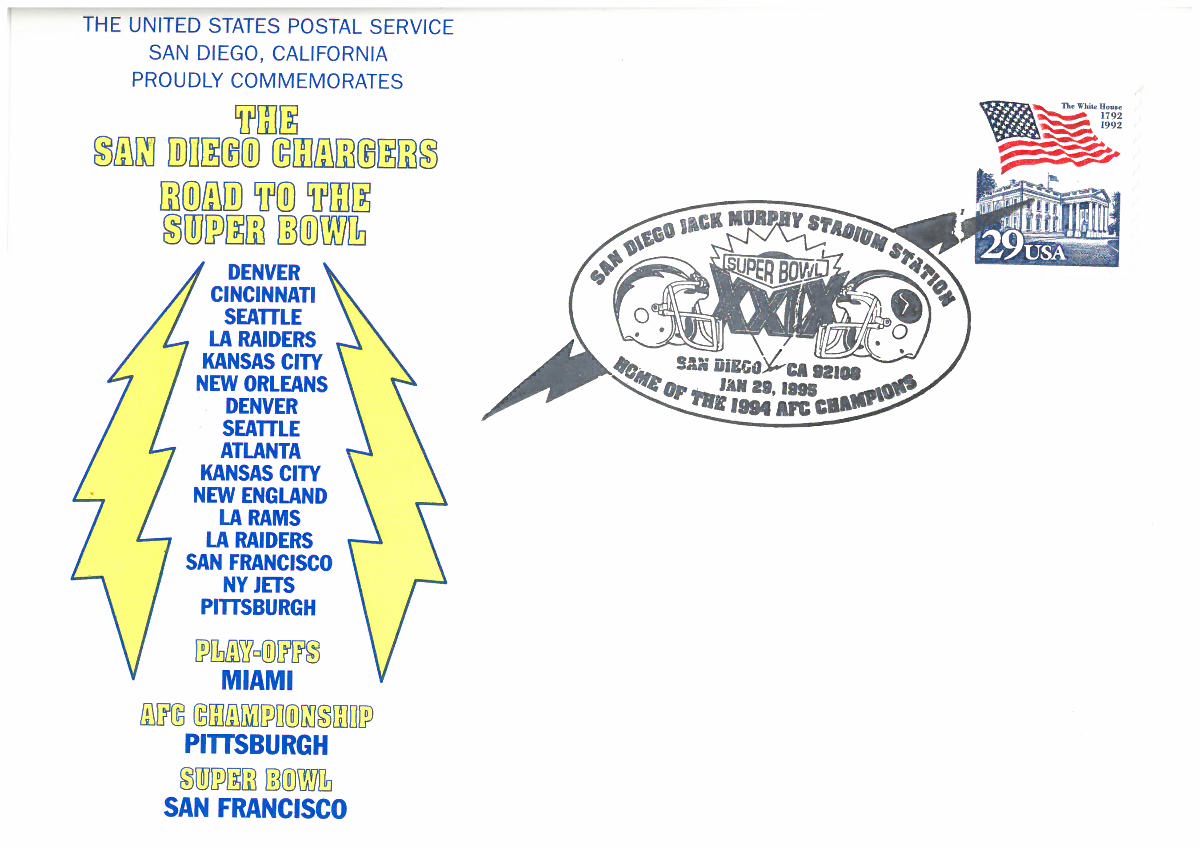
This past week, the San Diego Chargers, the football team I
cheered for my entire life, announced that it’s packing its bags and moving to
Los Angeles. To many (including me),
this sense of betrayal will mean the severing of all support or connection with that team. But not everyone will. Loyalty and identification are powerful
things, feeling that you’re part of something bigger.
What, I wonder then, would it take to sever
one’s connection with your political party?
To put your country before your partisanship? This year, we learned that for many millions
of Republicans, electing a racist bully, an unapologetic lecher, an insecure
authoritarian, and a profoundly selfish and un-Christian pathological liar and
narcissist wasn’t enough to cut that cord. Power trumped
empathy and basic human decency.
I’m lucky. I have a
job I love in one of the most liberal districts in the country in a
self-proclaimed sanctuary state. But I
worry for my country—not just for its institutions and the millions of lives
who will be hurt and maligned by this new administration, but also for its
larger sense of fairness, dignity and purpose.
I love my country, deeply, but the term “American Exceptionalism” is a
bitter contradiction-in-terms when I see how susceptible it is to fear and
bigotry and self-interest.
There’s absolutely no evidence to suggest that our new
president is a good person. He’s not a
man of principle or character, just a cheat and vindictive opportunist. And as president, he, like all presidents, will
get a postage stamp when he dies. What
I’ve always liked about postage stamps is that they are meant to celebrate our
culture, traditions, heroes, history.

But I can find no reason to celebrate today.
So now it’s a time for resolve and resistance. Resist having our values further eroded. Resist normalizing what was once
horrid and unacceptable. Resist complacency in the
shadow of ignorance and spite. Our
country never stopped being great. But
can we as Americans, from the right and the left, make it exceptional again,
rooted in compassion, wisdom, and generosity?
Yes we can.

The kitten stamp from last year's Pets set is Scott #5111 and the spay/neuter stamp is #3670. The Reagan stamp is #3897 and the US flag for veterans is #3331. The White House and Capitol stamps are from 1950 (D.C.'s sesquicentennial) and are Scott #990 & 992 respectively. The Child Labor Law stamp was part of the Celebrate the Century series, #3183o and the Kenilworth Park and Aquatic Gardens stamp is #5080j. The two stamps from the Building a Nation set are Scott #4801d & e .
Thursday, December 29, 2016
Luminous Beings

In what now seems a lifetime ago, I once had to go through
tens of thousands of feet of 16mm behind-the-scenes footage from the original Star Wars trilogy. Most of this was not shot on the set, but
rather with the effects crew, model and creature shops, and other artists
commonly known as “below the line” but critical to any movie’s success,
especially those. So you rarely saw much
of the cast, but one memorable sequence was Carrie Fisher in her (in)famous
slave bikini outfit from Return of the Jedi (1983, Marquand) sunbathing in the
Arizona desert during a break, side by side with her similarly costumed stunt
double. And it was a jarring moment
because you actually saw her interacting with another woman.

For let’s face it—the original three films are a sausage
fest and Bechdel test nightmare. There
are only 3 female speaking parts in the whole trilogy—the short-lived Aunt
Beru, the blink-and-you-miss her Mon Mothma (recently revived in the terrific
Rogue One), and Princess Leia Organa. So Carrie had to do the heavy-lifting for all 3 films when it came to female
characterization, since she was both love interest and leader of the Rebellion. Powerful, commanding, willing to stand
toe-to-toe with anyone she came up against (Vader, Tarkin, Jabba) but also
kind, caring, and authentic. One of the
highlights of Star Wars: The Force Awakens was seeing her back in action, still
filled with authority and compassion.
The fact that the last two franchise films have had women at the center
of the heroics is due in large part to her influence.

Of course, since then she has also proven herself a witty
writer and raconteur, smart aleck and cinematic sidekick, member of a vibrant-but-troubled
Hollywood dynasty, an object lesson about addiction and an ambassador for
destigmatizing mental health issues. And
she leaves us just a few months after her co-star Kenny Baker (who played
R2-D2) and, tragically, one day before her mother Debbie Reynolds.

Just a month ago, I saw a sneak preview of Bright Lights (2016, Bloom/Stevens), a
documentary about Carrie & Debbie.
It's a marvelous film in how it shows the once tumultuous
mother-daughter relationship that evolved into one of deep love and support, but
leavened with an enormous amount of playful ribbing, snark, and self-deprecation. They had come to terms with the demons
of the past and were both continuing to dive into creative pursuits fueled by wisdom and nostalgia. So
much of their personal bad luck and bad choices were scandal sheet fodder for
so long, that there was little choice but to face the future with bravado and
pluck. The film follows each of them
individually (Debbie rehearsing a one-woman show, Carrie attending a scifi
convention), but the best parts are when they are together. They come off as best of friends and savvy
partners in crime, and it really did seem hard to imagine how one could exist
without the other. Both full of such
indomitable spirit in the film, and both gone much too soon (Carrie at 60,
Debbie at 84).
Another wonderful thing the film highlights is Debbie’s
tireless campaign to save the artifacts of Hollywood history, particularly the
costumes—not just of her films, but of films that predate her and that would
have otherwise been thrown out by studio departments who were, back then, far
less interested in preserving their past than making space for the latest
productions. Pieces that she purportedly
saved over the years (through fundraising and her own backlot connections and initiative)
include Charlie Chaplin’s bowler, Elizabeth Taylor’s Cleopatra headdress,
Marilyn Monroe’s subway grate dress from The Seven Year Itch, and Judy
Garland’s Oz ruby slippers.

One of my favorite songs is “Graceland” by Paul Simon, who
was once married to Carrie, and whose relationship with her is documented in
that song (among many others). It’s a
song about renewal and second chances, and when I drove across country last
year, I listened to the whole Graceland album as I approached Memphis to visit
Elvis’s legendary estate of the same name.
In the song, Simon writes about his ex:
She comes back to tell me she's gone
As if I didn't know that
As if I didn't know my own bed
As if I'd never noticed
The way she brushed her hair from her forehead
And she said losing love
Is like a window in your heart
Everybody sees you're blown apart
Everybody sees the wind blow
As if I didn't know that
As if I didn't know my own bed
As if I'd never noticed
The way she brushed her hair from her forehead
And she said losing love
Is like a window in your heart
Everybody sees you're blown apart
Everybody sees the wind blow

Life is a pilgrimage and we should all be so lucky as to have it
filled with grace (in both the poetic and spiritual dimension). Yoda says to Luke, “Luminous beings are we,
not this crude matter.” 2016 was a rough
year for a lot of people for a lot of reasons.
May the road we take in 2017, portentous clouds notwithstanding, be
filled with the light, courage, good humor and fierce resolve that they both
embodied so well.

Carrie and Kenny share a USPS stamp, essentially, from the
Star Wars issue back in 2007. That is
Scott #4143f . The X-wing fighter is #4143m. The Wizard of Oz stamp is #2445, Judy
Garland #4077, and Yip Harbug #3905.
The music stamp from the American Filmmaking series is #3772d. And Elvis is #5009. Incidentally, the first film poster on a
postcard I ever owned was a gift from my high school girlfriend. It was for Singin’ in the Rain, still one of
my favorite films ever. I’ve included it
here, along with the inscription she wrote on the back, since this whole blog & collection originated, in a sense, with her.

My 10 favorite films featuring Debbie*, Carrie+, or Kenny#.
1. Singin’ in the Rain (1952, Donen/Kelly) *
2. The Empire Strikes Back (1980, Kershner) +#
3. Hannah and Her Sisters (1986, Allen) +
4. Time Bandits (1981, Gilliam) #
5. Kiki’s Delivery Service (1989, Miyazaki) *
6. The Elephant Man (1980, Lynch) #
7. When Harry Met Sally… (1989, Reiner) +
8. Mona Lisa (1986, Jordan) #
9. Star Wars (1977, Lucas) +#
10. The Blues Brothers (1980,
Landis) +
Friday, December 9, 2016
One Kool Kat
-->


Kirk Douglas was never really known for comedy. Brawler, tough guy, a hero who was often
tortured, if not physically (which was often), then psychologically—his films
are typically serious stuff. When he did
smile, it was often wolfish, or as if the cat ate the canary. What humor he showed in his characters would
often be wry, acerbic, cynical. The most
playful he ever got—his Ned Land in 20,000 Leagues Under the Sea (1954)—was in a fantasy
adventure, but even his films that had a comedic bent (There Was A Crooked
Man... (1970), for example) would have a dark undercurrent.
While this changed towards the end of his career (1980 and beyond), it
was mostly in the service of forgettable films, the best of which was Tough
Guys (1986), his final pairing with long-time screen partner Burt Lancaster—another
actor, in fact, who rarely did comedies, though his screen charisma had far
greater natural buoyancy. Even when Kirk
wasn’t fighting, he was always like a coiled spring, ready to pounce at any
time. It’s what made him a great villain
in his early years and such a suitable anti-hero as his career blossomed, this authentic intensity.
But we know from various interviews he’s done that he is a
funny, warm, charming guy in real life—a trait that didn’t fade an iota even
after his debilitating stroke in January 1996.
So on the occasion of his 100th birthday, I thought we’d talk
about the best, overtly funny thing he was ever in, his guest appearance on The
Simpsons which aired just a few months after the stroke: “The Day the Violence Died.”

In it, the famous Itchy & Scratchy cartoon pair are
celebrating their 75th anniversary, commemorated by a parade through
downtown Springfield. It’s here that
Bart meets the bum Chester J. Lampwick (Douglas), who claims to have created Itchy, only
to have it stolen by Roger Meyers Sr. (a Walt Disney proxy in the world of the
Simpsons). The ensuing court case and
rags-to-riches storyline for Chester is packed with a ton of fun references to
animation tropes from a variety of decades.

Of course, Kirk is no stranger to exposés on the cutthroat
character of Tinseltown. He played a
merciless producer in The Bad and the Beautiful (1952) and a washed-up actor in Two
Weeks in Another Town (1962), and his real-life political courage in the face of
enormous industry pressure during the Blacklist era is the stuff of legend (his
Spartacus storyline is the best thing about the otherwise tedious Trumbo).

So it’s fun to see his irascible Chester go up against the
craven, money-grubbing system. But
Chester doesn’t care about art. He only
cares about restitution. So It’s no skin
off his nose when the studio goes bankrupt.
In this way, he’s a kindred spirit to Grandpa Simpson (one of the most
reliably hilarious characters on the show).
A funny running gag is that various Springfield characters have a
history with Chester, contracting him to do odd jobs he never completed for
food he insists was terrible. Invariably, each of
these ends in a roll-on-the-floor fist fight.
He’s a crank, and the tough guy hasn’t softened a bit with age, though he also plays a good piano accompaniment to his silent short. Throughout, Douglas plays it straight, but still sounds like he's having fun. And in the end, he gets his just reward: his
solid gold house and rocket car. And
eventually, the studio finds an unexpected cash flow, so that means for the
last 20 seasons, Chester has been getting residuals on all the new Itchy &
Scratchy cartoons that are made. A
suitable happy ending.

What is the origin of Itchy & Scratchy? Certainly the most famous cat vs. mouse
dynamic in film history is Tom & Jerry, a pair that has yet to earn a USPS
stamp but which earned more Oscars for their shorts than either Mickey Mouse or
Bugs Bunny. But a more obvious progenitor
is Krazy Kat by George Herriman, most famously a comic strip for over 30 years
but also the subject of some very early animation efforts. In the strip, Krazy Kat is a soft-hearted
character who is constantly trying to woo Ignatz the mouse. The latter always responded by throwing bricks at Krazy’s head. Similarly, Scratchy is
always depicted as a sweet or sentimental soul, with Itchy the brutal
aggressor, blessed with a limitless imagination when it comes to inventive ways
to murder his nemesis. Chester also says, "Before I came along, all cartoon animals did was play the ukelele." One of Krazy's signature traits was strumming a makeshift guitar or banjo. So even though Krazy
Kat is hardly known at all anymore, it holds striking similarities with the
Simpsons’ incarnation.

In the show, we learn that Chester first created Itchy back
in 1919, long before his “official” debut in 1928’s Steamboat Itchy. The first Krazy Kat cartoon was in 1916, and
while I’ve never heard any allegations to Disney using Krazy Kat as a model for
Mickey, it’s a different story with the design elements of his famous mouse and
Felix the Cat (also stampless) who debuted in 1919 in Feline Follies and
became incredibly popular thereafter, with more than 150 shorts between 1919
and 1928. When we see footage of Itchy’s
debut Manhattan Madness, it’s a fun lampoon of the visual style of the time,
as well as a satire of the unfortunate tendency to use ethnic or racial
stereotypes back then.

Other animation references in this episode:
·
Mickey’s Steamboat Willie (also 1928), of
course, as well as Roger Meyers Jr. no longer being able to afford the
cryogenic chamber where his father was being stored (another allusion to one of
the dafter Walt Disney rumors).
·
Chester’s last name Lampwick is also the name of
Pinocchio’s juvenile delinquent friend in the 1940 Disney feature. His terrifying transformation into a donkey
(fated for a life of animal servitude) remains one of the most horrific moments
in the studio’s history.

·
The unnamed Itchy & Scratchy cartoon
featured at the end has the familiar southwest landscapes used in all the
Warner Bros. roadrunner cartoons, as well as the rocket skates by Acme (Wile E.
Coyote’s favorite brand).

· Itchy & Scratchy Meet Fritz the Cat,
another animated feline, this time created by R. Crumb and featured by Ralph Bakshi in his infamous 1972
feature film.

·
Perhaps the most blistering lampoon is that of
Schoolhouse Rock, with the Amendment-To-Be song that acts as a gross perversion
of the original Saturday morning civics lessons. They even got Jack Sheldon (who sang the
original “I'm Just a Bill”) to perform this number. Check it out.
At 100, Kirk has had a wonderful run, and he’s managed to
outlive several of the other guest actors from his episode. Terrible lawyer Lionel Hutz (who actually
manages to win his case here) was played by frequent guest, the late Phil Hartman. And Alex Rocco did recurring bits as Roger
Meyers, Jr. on the show before passing away last year. At least Sheldon and other guest actor
Suzanne Somers are still with us.

One other bit that makes this a particular favorite episode
for film buffs: When Bart uses the school projector to screen Chester’s copy of Manhattan Madness, the film catches fire and incinerates just like a movie
made from the old nitrate film stock would. The
former film archivist in me values this moment a great deal (though the less
said about how much I resemble Milhouse at that age, the better). And the philatelist in me appreciates how the
Itchy & Scratchy studio becomes solvent again once it’s revealed the United
States Postal Service plagiarized Roger Meyers with its Mr. Zip icon (a real cartoon brand in the 1960s, used to publicize the importance of the newly introduced Zip Codes).

One other bit of Simpsons trivia. At exactly 100, Kirk still isn’t the longest-living
person to appear at one time on the show.
Bob Hope lived to 100 years, 2 months.
So it won’t take long to beat that record. Another curiosity: Even though the Stanley Kubrick references are prolific throughout the series's lifetime, there has never been a Spartacus spoof, unusual for a film with such iconic possibilities. Maybe one day. But Kirk's legacy on the show is secure. Look at the postcard below and you’ll see
Chester in the upper left-hand corner, nestled between Dr. Nick and Nelson Muntz.

Kirk isn’t eligible for a USPS stamp yet (thank goodness)
but he has appeared in stamps from other countries, like the Mali one depicted
at the top. The Walt Disney stamp is Scott # 1355. Other Scott #s for the Disney issues: Mickey
w/friends (3865), Pinocchio (3868), Mickey & Pluto (3912), Mickey &
Minnie (4025), Dumbo (4194), Fantasia (4192) Steamboat Willie (4343). Homer, Bart, and Lisa
Simpson are Scott #s 4399, 4401, and 4402 respectively.
The cartoon cat stamp on the Fritz the Cat poster is part of the Bright
Eyes series, Scott # 3232. The Stanley Steamer
stamp is Scott # 2132, Krazy Kat # 3000e, and Roadrunner # 3391. And the pet stamps from this year included
cat (# 5122) and mouse (# 5117).
For more entries in the Kirk Douglas Centennial Blogathon, go here.
My Top 10 Kirk Douglas films
- 1. Paths of Glory (Kubrick, 1957)
- 2. Out of the Past (Tourneur, 1947)
- 3. Seven Days in May (Frankenheimer, 1964)
- 4. Champion (Robson, 1949)
- 5. Lonely Are the Brave (D.Miller, 1962)
- 6. Spartacus (Kubrick, 1960)
- 7. Detective Story (Wyler, 1951)
- 8. The Man from Snowy River (G.Miller, 1982)
- 9. Lust for Life (Minnelli, 1956)
- 10. A Letter to Three Wives (Mankiewicz, 1949)
Subscribe to:
Posts (Atom)